We all know that simple truth about weight loss: to lose weight, we must eat fewer calories than we burn. To achieve this goal, we have all tried the lifehacks of exercising more, eating healthier and skipping an occasional meal. Let’s cut through the noise and keep these concepts simple.
One thing is certain, eating saturated fat is not healthy for us. Not only does fat cause us to gain weight, saturated fat causes diabetes, heart attacks, Alzheimer’s disease, and some cancers. Saturated fat comes primarily from animals: meat, cheese, butter, milk and ice cream.
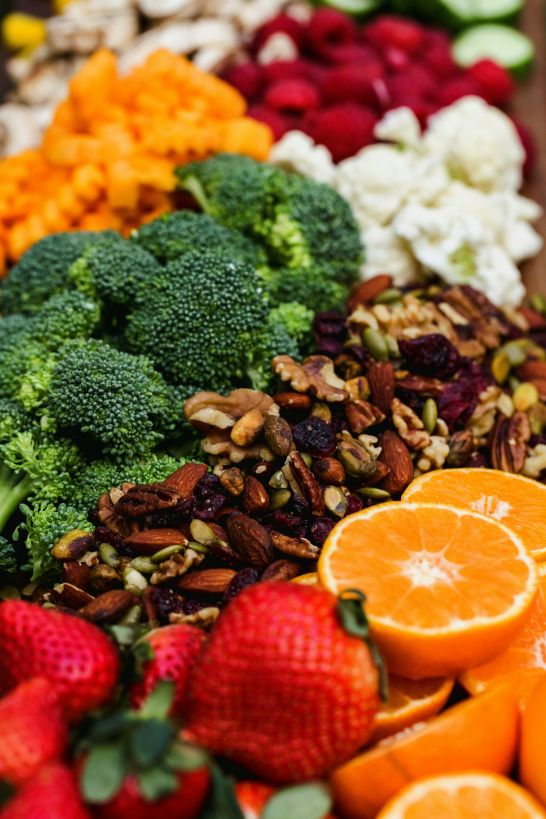
What is healthy eating? People who live a long time tend to eat mostly plants. They eat mostly real food. People who switch to eating like this can add many years to their life, even at age 60 and older! What’s more, people can reverse their diabetes and high blood pressure, get off their meds, prevent dementia and enjoy the family, friends and grandkids!
Healthy eating often means eating less food than we have become accustomed to eating. Many people jump start their healthy eating journey by starting one of the new GLP1 weight loss drugs (like Ozempic, Wegovy, Zepbound or Mounjauro). These medications are associated with up to 20% weight loss. Other ways to eat less food is by eating only at certain times of the day (intermittent fasting) and by eating until we are 80% full.
How do we know we are eating less? The best way is to hold yourself accountable. You can do this by tracking what you eat. This allows you to become aware of your actual eating habits. Then you can intentionally set new habits that support your health. Enlisting professional partners (like coaches, trainers and nutritionists) and nonprofessional partners (like friends, social support groups) increase your chances of success.
A lot of people worry about protein deficits with this lifestyle. The short answer is that protein supplementation is not required for a long, healthy life. (Overeating protein shortens life expectancy). The longer answer is that many people intentionally choose to take a protein powder supplement for various reasons. Full disclosure: I’m one of those people!
The American College of Lifestyle Medicine recently published evidence-based guidelines to reverse diabetes and prediabetes. Some major recommendations: intermittently fast, replace 1 or 2 meals per day, avoid salty snacks (processed foods), eat mostly plants and increase physical activity. Does this sound familiar?
I offer these interventions to all my clients. For what it is worth, I have been doing the same things. For accountability, I track what I eat and try to intermittently fast. I’ve restarted consistent resistance training. I replace 1 meal a day with a high quality protein shake with some other nutritional support.
It’s time for you to reclaim your health. Start your journey with me today and let’s do this!
-Dr. Joe
Photo by Nathan Dumlao on Unsplash